September 2026

September 2026

Feature Article

Election 2026: GCDD Hosts Annual Candidate Forum

The Georgia Council on Developmental Disabilities (GCDD), along with partners the Georgia Advocacy Office (GAO), Sangha Unity Network, and REV UP Georgia, will host the 2026 Candidate Forum on disability issues at 6:00 p.m. Thursday, September 17, 2026 virtually via Zoom.

The purpose of the 2026 GCDD Candidate Forum is to invite individuals who are running for public office to speak on issues of importance to Georgia’s disability community. Georgians with intellectual and developmental disabilities(I/DD), their families, and community members will have the opportunity to hear from candidates running for public office. Affordable health care, educational opportunities, voting access, and more continue to present challenges for Georgians with disabilities.

People with disabilities are the largest minority voting bloc in the country. A 2024 survey released by Easterseals stated that there were potentially 37 million adults with disabilities who were eligible to vote. Sadly, many are overlooked by candidates running for office. According to RevUp Georgia, there are 8.2 million registered voters (active + inactive) in Georgia. Approximately 650,000 people with disabilities in Georgia are of voting age. Family and loved ones can double or triple their impact, with nearly 20% of voters having a “stake” in disability issues.

“At GCDD, we want for candidates seeking office to better understand how their policy decisions will ultimately affect Georgians with disabilities,” said D’Arcy Robb, Executive Director of GCDD. “It is important for voters with disabilities to be vocal during the election cycles so that candidates are aware that the disability community represents a large voting group in the state. We are looking forward to the Candidate Forum to both show the power of the disability community and learn from the candidates about their disability platforms.”

As of August 14, 2026, the individuals who have been invited to participate include the candidates for offices of Governor, Lieutenant Governor, Secretary of State, Insurance Commissioner, Attorney General, Labor Commissioner, State Superintendent of Schools, and US Senator for Georgia.

In addition, attendees will have the opportunity to learn about voting accessibility and what to expect when they go to the polls this November.

Resources for voters with disabilities are provided by RevUp Georgia, including guide lists to make sure people with disabilities and their families are prepared. The guide is available on RevUp’s website.

For more information about the event and to register to attend, visit GCDD’s website.

Feature Story, GCDD Updates

Feature Article

Emory University Program Supports Autistic Students on Their College Journey

College is a big change for anyone. For autistic students, it can bring challenges that other students do not face. Challenges such as knowing how to study, when to ask for help, how to make friends, or how to manage daily life. Emory University’s Emory Oaks program meets those challenges head-on, with one-on-one support, practical tools, and a community where autistic students belong.

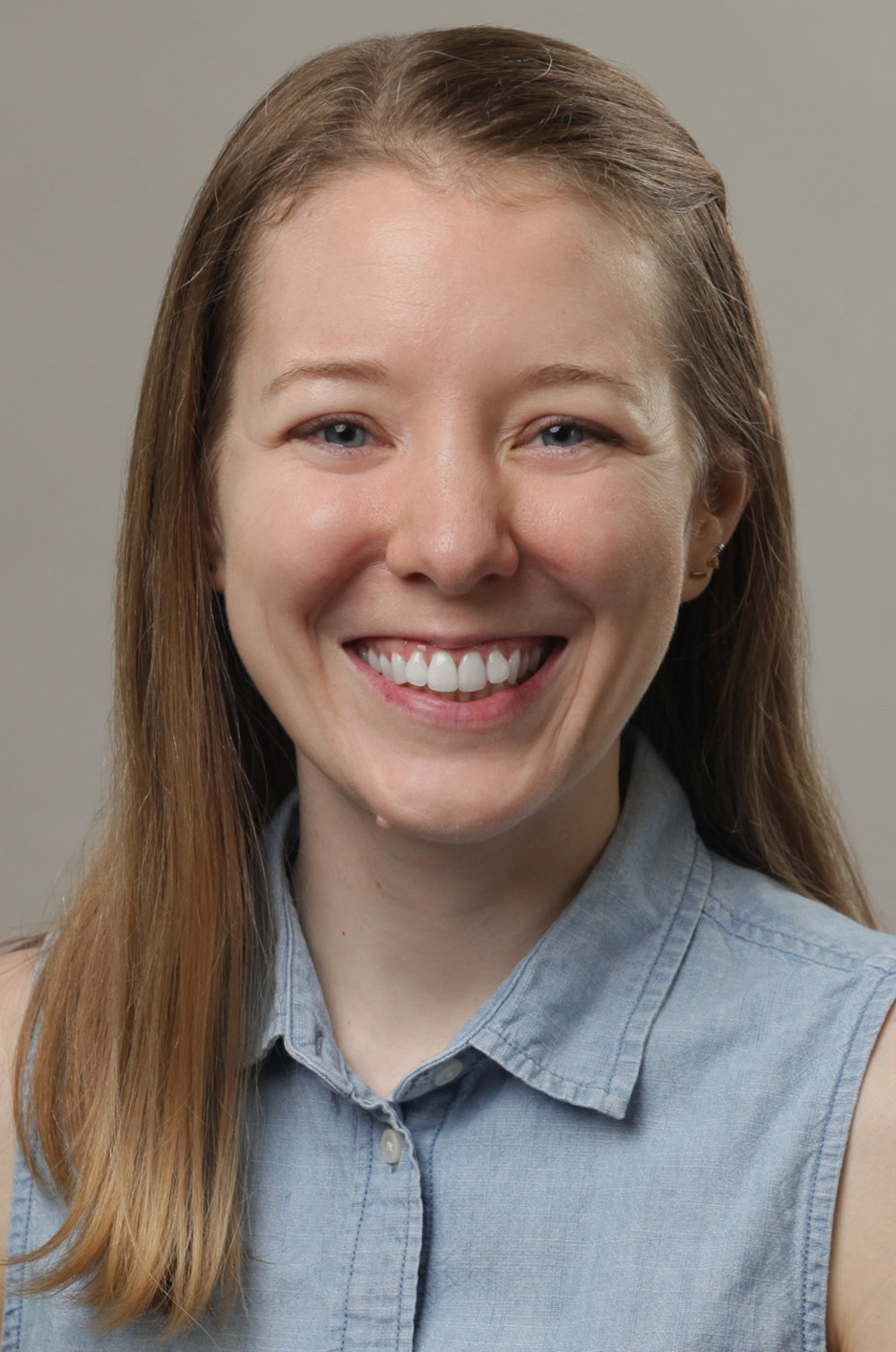
Kelsey Bohlke, Assistant Director for Emory OaksKelsey Bohlke, Assistant Director for Emory Oaks“Autistic students face many of the same challenges as other college students,” said Kelsey Bohlke, Assistant Director for Emory Oaks. “The difference is that neurotypical students often seem to pick up on how things work without being directly taught. Autistic students can benefit from having those things explained more clearly, whether it’s how to handle academics, find strategies that work for them, or learn how to study. Many of our students didn’t need to study in high school, so college may be the first time they’re learning how.”

Emory Oaks has been a resource for Emory students across the globe, supporting autistic students on all of Emory’s campuses. Since the program began in 2022, 68 students have been supported, and 33 students have graduated with their degree. All those students graduated either early or on expected timelines for their program of study.

The inspiration for Emory Oaks came from Dr. Matt Segall, who is now the program director. When Segall arrived at the Emory Autism Center, his work focused on K-12 autism consulting. He particularly focused on inclusive education for autistic students in grade school.

Segall said, “The college work came from a very in-front-of-my-face series of questions: ‘What happens after students graduate high school? What does that look like? Do they go on to higher education? What do things look like in adulthood?’”

He began his research 15 years ago, and his findings identified a need for more support for autistic students. Then in 2020, a grant from the Administration for Community Living was secured that helped to establish the Georgia College Transition Partnership. The University of Georgia’s University Center of Excellence for Developmental Disabilities – Center on Human Development and Disability, Georgia State University’s Center of Excellence for Developmental Disabilities – Center for Leadership in Disability, and Emory University’s Emory Autism Center worked together to create what is now Emory Oaks.

Emory Oaks is unique from other universities’ programs because it provides a full-time support navigator who regularly meets with students to learn about their goals, strengths, and interests. The navigator and student then work together to identify goals and what supports and services are available to them at Emory. This can include academic accommodations, career support, mentors, academic coaching, and mental wellness support.

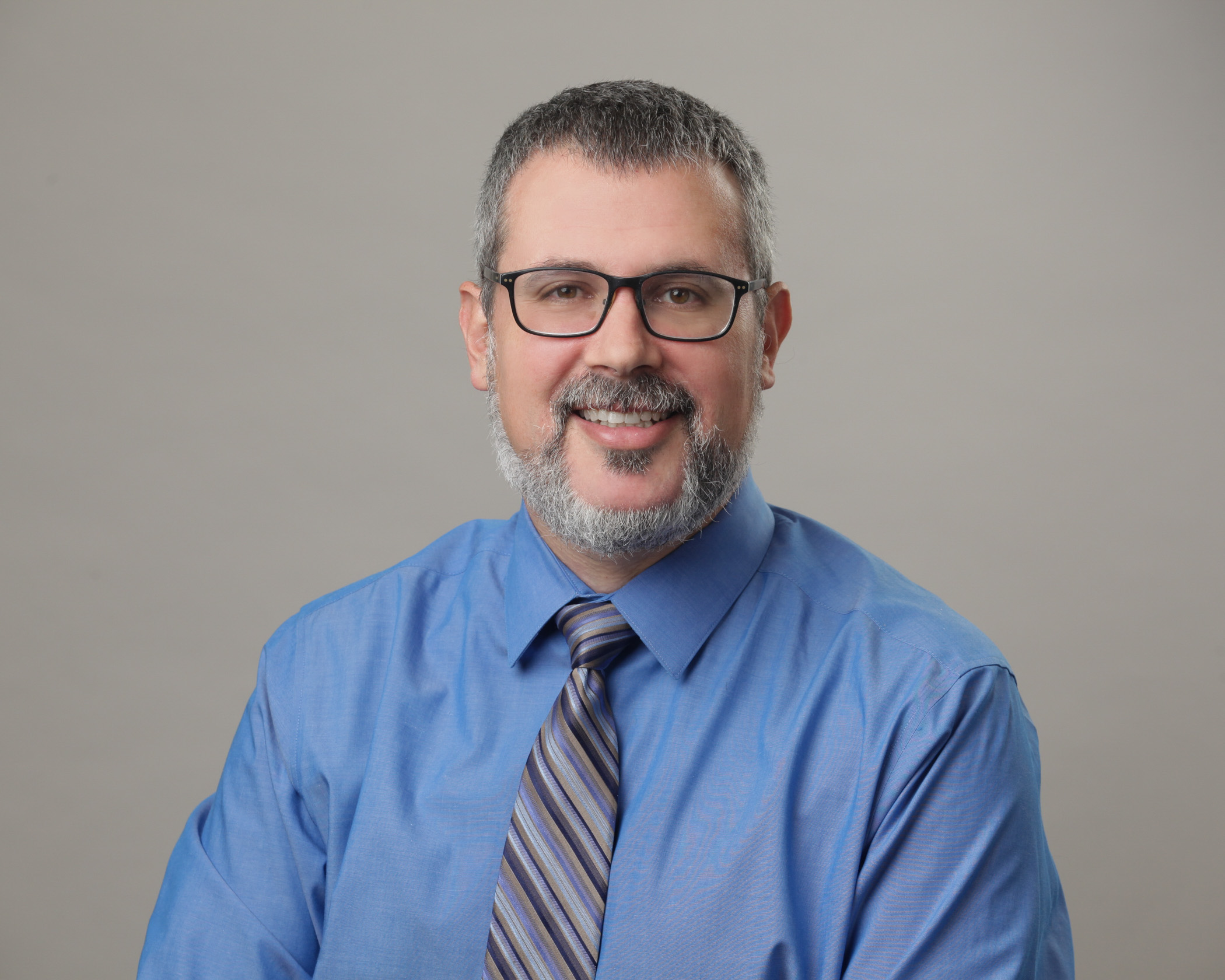
Dr. Matt Segall, Program Director of Emory OaksDr. Matt Segall, Program Director for Emory Oaks“While our program is too young to have reliable data on post-graduation outcomes, at the time of graduation, approximately 75% of our graduates have clear and concrete plans for their next opportunity after graduation, like securing internships and further education in graduate school,” said Segall.

The support at Emory Oaks also comes from the sense of community it fosters, offering a strong support group and lifelong friendships.

“Through Kelsey’s guidance, I was able to become a lot more functional and meet other people in the autism community,” said Taeseong Heo, a student at Emory University and Georgia Tech who participated in Emory Oaks. “This support system both helped me with daily practical skills and connected me to a community. It has helped me grow greatly as a student and person.”

Parents also celebrate the growth they see within their students. For Tasha Odom’s son Serge, the first semester of college was very difficult due to a lack of emotional and social support. This led to Serge spending his second semester on medical leave. That was when Odom began searching and found Emory Oaks.

“Serge connected with one of the people running the program before returning to campus the following fall. When he came back, he participated in events and meetings to share his feelings and challenges of being a student at Emory,” said Odom. “Emory Oaks made a real difference in Serge’s time at Emory. He was able to have someone to talk to and get support when he needed it. Serge also made a genuine friend during his participation at Emory Oaks.”

With the help of Emory Oaks, autistic students can thrive socially and academically in the chaotic world of higher education, and the skills participants take with them last beyond their education.

“I tell students all the time, ‘You’ve never been a college student before. It is okay that you don’t know how to be a college student because you’ve never had to be one,’” says Bohlke. “Of course, students have to learn how, and Emory Oaks is here to help with that process.”

Learn more about Emory Oaks at https://med.emory.edu/departments/psychiatry/autism/services/oaks/index.html.


Feature Story

Letter from Leadership

Letter from Leadership: The Chance to Make Life Better for Georgians with Developmental Disabilities

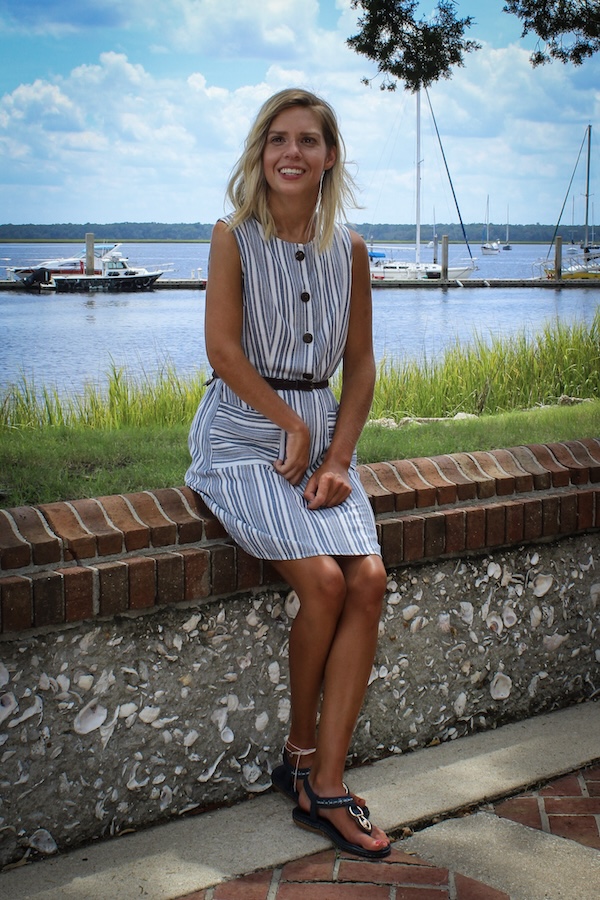
Leslie Ann ThorntonMy name is Leslie Ann Thornton, and I am the Chair of the Grants Selection Committee for the Georgia Council on Developmental Disabilities. This work has taught me something important: a grant is never just a grant.

On paper, a grant can look like numbers, forms, deadlines, and money. But behind every dollar is a real chance to make life better for people with developmental disabilities across Georgia.
That is why this work means so much to me.

GCDD gives out grants to fund projects. These projects help build a Georgia where people with disabilities can live, work, learn, talk with others, and take part in their communities in ways that matter to them.

Community living is about more than just where someone lives. It is about having choices. It is about having a voice. It is about being able to join in and be part of everyday life.

It means being able to go to work. It means going to school and using technology. It means making friends, joining in activities, and speaking up for yourself. It means making your own choices about your own life. In short, it means getting to be a full person in the world. Not just someone who receives services.

GCDD is finishing its current Five-Year Strategic Plan. This is a good time to look at how these grants have helped make that vision real.

Grants can support projects in technology, jobs, education, and self-advocacy. These projects can create chances that last far beyond one grant.

Technology can open doors. It can help people talk with others, learn, work, and live on their own. Job projects can push back against the idea that people with disabilities should settle for less. Instead, they help people find good, fair work. Education and advocacy projects help people learn their rights, feel more sure of themselves, grow as leaders, and use their voices.
To me, one of the most important parts of this work is simple: people with disabilities should never be forgotten or left out.

We belong at work. We belong in classrooms. We belong as leaders. We belong in our neighborhoods, churches, groups, and communities. Being included should not happen only during a special month or at a special event. It should be part of everyday life.

Being the Chair of the Grants Selection Committee has reminded me of something. Our choices are about much more than saying yes to funding. We help decide which ideas can create real chances and lasting change for Georgians with developmental disabilities.

Our current Five-Year Plan is ending, and GCDD is looking ahead to what comes next. I hope we keep supporting projects that put people with disabilities first.

At the end of the day, these grants are not just money for programs. They are investments in people. They are investments in independence, opportunity, and belonging.

And that is the kind of Georgia I want to help build.

Letter from Leadership

Public Policy for the People

What the DOJ Memo Means for People with Disabilities

What is the DOJ memo?

On June 18, 2026, the U.S. Department of Justice (DOJ) released a letter about enforcing disability rights. The letter is called a memorandum, and it was written by the DOJ's Office of Legal Counsel. 

The memo is about a 1999 Supreme Court case called Olmstead v. L.C. & E.W. L.C. (Lois Curtis) and E.W. (Elaine Wilson) won the case, which said that people with disabilities should be able to get care in their own homes and communities, as long as it's “appropriate” for their needs. Disability advocates call this the integration mandate.  

In the memo, the DOJ said three things: 

  • The Olmstead case did not actually require community-based care. The DOJ says people have read it the wrong way for 25 years. 
  • Congress never wrote the integration mandate into law when it passed the Americans with Disabilities Act (ADA) or the Rehabilitation Act. 
  • The federal rules that enforce the mandate go too far and should be removed. 

What does it mean? 

The memo does not change the law. Your rights have not changed. 

A memo like this cannot overrule a Supreme Court case. It cannot repeal or weaken the ADA or Section 504. It cannot cancel court orders or tell judges what to decide.   

What remains true right now? 

  • States still offer community-based services. 
  • Waiver services stay the same. 
  • You still have the right to live in a setting that fits your needs and preferences. 
  • Federal rules, like the Home and Community-Based Settings (HCBS) rule, are still in place. They cannot be removed without a long public process that includes a chance for people to comment. 
  • You can still go to court to protect your rights. 

So why does the memo matter? It could mean the DOJ will stop enforcing the integration mandate. It could also lead the Department of Health and Human Services (HHS) to think about removing its own rules. Enforcement can change from one administration to the next. 

The memo also signals that more choices will be left up to states about how they provide services to people with disabilities. It is possible that some states will begin to offer more people with disabilities services in institutions, instead of in the community. Up until the 1980s, it was common for people with disabilities to live in hospitals or institutions.  

What can you do?

Your voice matters and now is a good time to use it. 

No one knows your story better than you do. That’s why it’s so important for you to speak up. 

Public Policy For The People